Source satin leather bridal wedding shoes for weddings, engagements, and receptions
Compare 30 satin leather bridal wedding shoes from verified suppliers. Explore options featuring round toes, waterproof construction, and customizable heel heights for various wedding occasions.
Key considerations
Products List


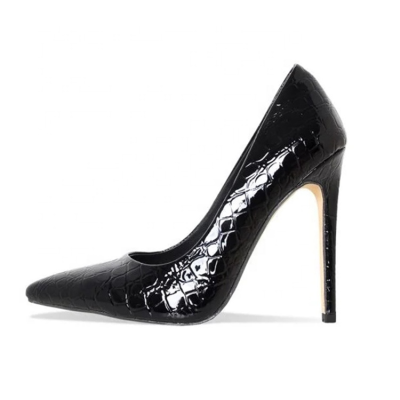
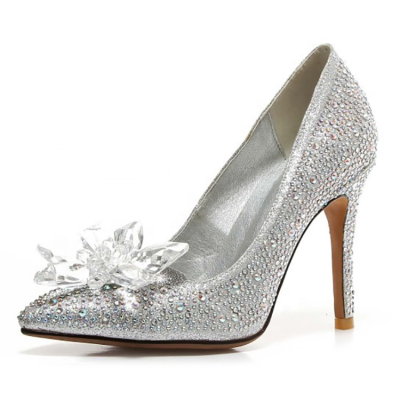


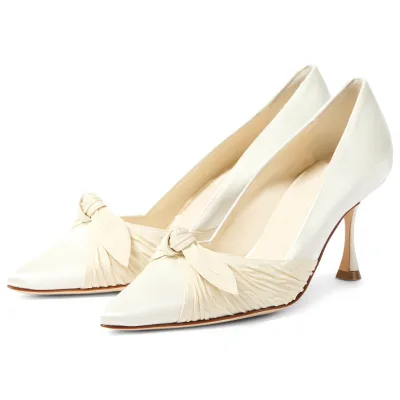
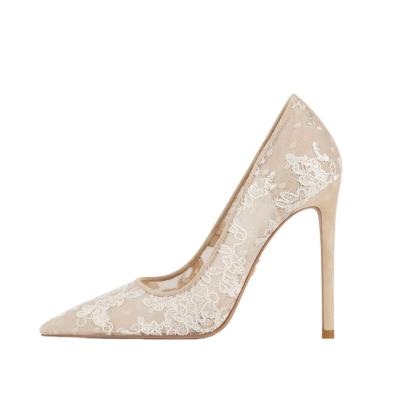




Comprehensive Sourcing Guide
Strategic Sourcing Guide for Satin Leather Bridal Wedding Shoes
Understanding Product Specifications and Material Composition
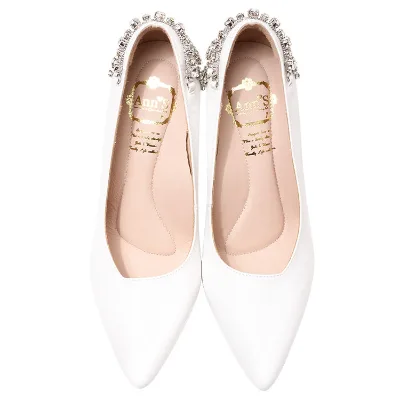
When sourcing satin leather bridal wedding shoes, buyers must first navigate the complex landscape of material definitions and construction standards. The term "satin leather" often implies a specific aesthetic finish, yet the underlying supply chain data reveals a diverse range of actual material compositions available in the market. In many instances, the upper material is explicitly listed as genuine leather, while other listings specify PU (polyurethane) or customized alternatives. This variance is critical for procurement teams to understand, as the tactile feel, breathability, and durability of genuine leather differ significantly from synthetic options. The lining materials further complicate the specification, with observed data indicating a mix of mesh, leather, and cotton fabric. For a bridal application, the lining is not merely a comfort feature but a functional necessity to prevent blisters during extended wear.
The structural specifications of these shoes are equally varied. While some products are categorized as "Ankle Shoes" with a low heel height, others are defined as "Pumps" with high heel heights, including specific measurements like 12cm. The toe shape is predominantly observed as round, which offers a classic silhouette suitable for traditional wedding ceremonies. The sole construction typically utilizes rubber for the outsole, providing necessary traction, while the midsole material is often PU. This combination of rubber and PU suggests a balance between durability and shock absorption, which is vital for footwear intended for long durations. The closure pattern is consistently observed as shoelace or lace, offering an adjustable fit that is essential for the varying foot shapes of wedding party members. Buyers should verify if the specific satin finish is a coating on leather or a distinct textile weave, as this impacts the cleaning and maintenance protocols required post-purchase.
Compliance, Certification, and Standard Verification
In the B2B procurement of bridal footwear, compliance is not a monolithic requirement but a series of specific verifications that depend on the destination market and the intended use. The supply data indicates that product standards often reference specific size runs, such as EUR 37-50 or US 6.5-13, and some listings offer customized sizing. However, the absence of explicit certification data in the provided context means that buyers cannot assume a product is automatically compliant with international safety or quality standards. It is imperative for the procurement team to request documentation regarding the chemical composition of the materials, particularly the dyes used for colors like red, pink, gold, and white, which are common in bridal collections.
Buyers must verify if the manufacturing process adheres to specific environmental or labor standards, as these are often prerequisites for major retailers. The "OEM/ODM" branding capability suggests that suppliers are flexible, but this flexibility must be balanced with strict adherence to the buyer's quality assurance protocols. The observed "Quality Guarantee" of 90 days after shipment is a commercial term, not a regulatory certification. Therefore, procurement teams should not rely on this statement as a substitute for third-party testing. Instead, buyers should insist on proof of compliance with relevant regional regulations, such as REACH in Europe or CPSIA in the United States, regarding heavy metals and harmful substances. The origin of the goods, frequently cited as China or specifically Sichuan, requires verification of the factory's audit status to ensure ethical manufacturing practices. Without explicit certification data in the source material, the burden of verification falls entirely on the buyer to request and validate these documents before finalizing any order.
Cost Drivers and Pricing Dynamics
The pricing structure for satin leather bridal wedding shoes is influenced by a multitude of factors, ranging from material selection to production complexity. The observed price range in the market spans from $3 to $133 USD, a disparity that reflects the vast difference between mass-produced synthetic options and handcrafted genuine leather items. The "Hand Made" attribute observed in several listings is a significant cost driver, as labor-intensive processes inherently increase the unit price compared to fully automated production lines. Similarly, the choice of upper material plays a pivotal role; genuine leather commands a premium over PU or customized alternatives, directly impacting the final cost per pair.
Minimum Order Quantity (MOQ) is another critical variable affecting the total cost of ownership. The data shows an MOQ range from 1 to 500 pairs, with specific listings citing 30 pairs as a baseline. For buyers seeking to minimize upfront capital expenditure, lower MOQ options are available, though they may come with a higher per-unit cost. Conversely, larger orders often benefit from economies of scale, reducing the average cost per pair. The packaging details, such as "one pair in one shoe box" or "20 pairs in one carton," also contribute to logistics costs. Customization, including specific color requests like red, off-white, or nude, and tailored sizing, adds a layer of complexity that can increase production time and cost. Buyers must carefully weigh the trade-off between customization and cost efficiency, ensuring that the added expense aligns with the brand's value proposition and target margin.
Typical Applications and Market Segmentation
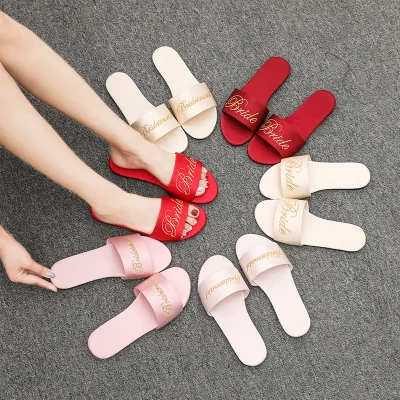
The application of satin leather bridal wedding shoes extends beyond the bride herself, encompassing a broader range of wedding party members and ceremonial events. The primary market segment is clearly defined by the "Wedding" occasion, with specific product names highlighting "bridal wedding shoes." The observed color palette, including red, pink, gold, white, and black, caters to diverse cultural traditions and personal preferences. For instance, red and pink are often preferred in certain cultural contexts for their symbolic meaning, while white and ivory remain the traditional standards in Western ceremonies. The "Unisex" attribute suggests that these shoes may also be suitable for groomsmen or other male participants, although the "High Heel" and "Pumps" classifications indicate a primary focus on female footwear.
The versatility of these shoes is further demonstrated by the "All Seasons" and specific seasonal listings like "Spring, Summer, Autumn, Winter." This indicates that the design is robust enough for various climatic conditions, making them suitable for destination weddings or year-round bridal collections. The "Ankle Shoes" and "Low Heel" options provide a practical alternative for brides who prioritize comfort over extreme height, while the "High Heel" and "12cm" options cater to those seeking a dramatic, formal silhouette. The "Lace" element and "Shoelace" closure pattern add a decorative touch that enhances the aesthetic appeal, making these shoes suitable for both the ceremony and the reception. Buyers should consider the specific needs of their target demographic when selecting from the available styles, ensuring that the chosen footwear aligns with the overall theme and practical requirements of the event.
Supplier Evaluation and Selection Criteria
Selecting the right supplier for satin leather bridal wedding shoes requires a rigorous evaluation process that goes beyond the basic product listings. The "Supply Ability" of 1,000,000 pairs per year indicates that some suppliers have the capacity to handle large-scale orders, but this capacity must be matched with the ability to maintain consistent quality. Buyers should assess the supplier's track record in handling OEM and ODM projects, as this demonstrates their flexibility and technical capability to meet specific design requirements. The "Port of dispatch" locations, including Shenzhen, Shanghai, and Guangzhou, are major logistics hubs in China, suggesting that these suppliers have established shipping networks and experience with international trade.
However, the presence of multiple suppliers with varying specifications, such as different heel heights and materials, necessitates a careful comparison. Buyers should request samples to verify the "Hand Made" claims and the quality of the "Genuine Leather" or "PU" upper materials. The "Quality Guarantee" of 90 days is a starting point, but buyers should also inquire about the supplier's return and replacement policies for defective items. The "Customization" availability is a key differentiator, allowing buyers to tailor the product to their brand's identity. However, this customization must be managed carefully to avoid delays and cost overruns. Buyers should also evaluate the supplier's communication efficiency and their ability to provide timely updates on production status. A supplier that can provide transparent information about their production process and quality control measures is more likely to deliver a successful partnership.
Quality Control and Long-Term Procurement Considerations
Ensuring the quality of satin leather bridal wedding shoes is paramount, given the high emotional and financial stakes associated with wedding purchases. The "Quality Guarantee" of 90 days after shipment provides a baseline for consumer protection, but proactive quality control measures are essential for B2B buyers. This includes implementing a rigorous inspection protocol that covers material integrity, stitching quality, and the durability of the rubber outsole. The "Mesh, Leather, and Cotton Fabric" lining materials must be inspected for comfort and breathability, as these factors directly impact the wearer's experience. The "Round Toe" and "Lace" elements should be checked for consistency and finish, ensuring that the aesthetic details meet the brand's standards.
Long-term procurement considerations involve building a sustainable supply chain that can adapt to changing market demands. The "Customized" nature of the product allows for flexibility, but buyers must establish clear guidelines for customization to maintain consistency across orders. The "EUR37-50 / US6.5-13" size range is a standard offering, but buyers should verify if the supplier can accommodate specific size runs or custom sizing requests without compromising quality. The "1 Pair in 1 Box, 10 Boxes in 1 Carton" packaging standard is efficient for logistics, but buyers should ensure that the packaging protects the shoes during transit, especially for delicate satin finishes. Finally, buyers should consider the environmental impact of their procurement choices, seeking suppliers who adhere to sustainable practices and use eco-friendly materials where possible. By focusing on these long-term factors, buyers can build a resilient supply chain that delivers high-quality products consistently over time.
FAQs
What materials are used for the upper of these shoes?
The upper material is typically genuine leather or PU, with some options allowing customization. Buyers should verify the specific material composition as listings vary between leather and synthetic alternatives to ensure durability and aesthetic match.
Can I customize the heel height for these bridal shoes?
Yes, customization is available for heel height, with options ranging from low heels to specific measurements like 12cm. Buyers must confirm the exact height requirement with the supplier as standard listings may vary between low and high heel styles.
What is the minimum order quantity for these shoes?
The minimum order quantity ranges from 1 to 500 pairs, with some specific listings requiring 30 pairs. Buyers should check individual supplier terms as MOQs vary significantly depending on the product model and customization level requested.
Which colors are available for satin leather bridal wedding shoes?
Available colors include red, pink, gold, white, black, and many others like blue, silver, and beige. Buyers can select from a wide palette, though specific availability depends on the supplier's current stock and customization capabilities.
How are these shoes packaged for shipment?
Packaging typically involves one pair in one shoe box, with 10 to 20 boxes packed in a single carton. Buyers should verify the exact packing details with the supplier as variations exist between 10 and 20 pairs per carton.
Can I find suppliers offering hand-made construction?
Yes, some listings explicitly state that the shoes are hand-made, which often influences the price and quality. Buyers should confirm this attribute during the sourcing process as not all suppliers may offer this specific construction method.
What is the supply ability of these manufacturers?
Some suppliers have a supply ability of 1,000,000 pairs per year, indicating high capacity for large orders. Buyers should verify the specific production capacity of their chosen supplier to ensure it meets their volume requirements.